Thursday, March 12, 2020

PANDEMIC AND CHIROPRACTIC CARE


PANDEMIC:
Coronavirus 19 has just been named a Pandemic:
In 1918 an influenza pandemic swept the world. It sometimes pay to look back in history to help us in the present. 

1918 Influenza Epidemic Records from Walter C. Rhodes, DC 
“The Official History of Chiropractic in Texas,” by Walter C. Rhodes, DC, states chiropractic care came into its own during the 1918 influenza epidemic. The following statistics from his chiropractic records leave no doubt chiropractic care offers value for influenza and pandemic care. 
“The 1917 - 1918 influenza epidemic swept silently across the world bringing death and fear to homes in every land. Disease and pestilence, especially the epidemics, are little understood even now and many of the factors that spread them are still mysterious shadows, but in 1917-1918 almost nothing was known about prevention, protection, treatment or cure of influenza. The whole world stood at its mercy, or lack of it.” “But out of that particular epidemic, the young science of chiropractic grew into a new measure of safety. "
“Statistics reflect a most amazing, almost miraculous state of affairs. 
The medical profession was practically helpless with the flu victims but chiropractors seemed able to do no wrong.” 
“In Davenport, Iowa, 50 medical doctors treated 4,953 cases, with 274 deaths. In the same city, 150 chiropractors including students and faculty of the Palmer School of Chiropractic, treated 1,635 cases with only one death.”
 “In the state of Iowa, medical doctors treated 93,590 patients, with 6,116 deaths - a loss of one patient out of every 15. In the same state, excluding Davenport, 4,735 patients were treated by chiropractors with a loss of only 6 cases - a loss of one patient out of every 789.” 
2 “National figures show that 1,142 chiropractors treated 46,394 patients for influenza during 1918, with a loss of 54 patients - one out of every 886.”
 “Reports show that in New York City, during the influenza epidemic of 1918, out of every 10,000 cases medically treated, 950 died; and in every 10,000 pneumonia cases medically treated 6,400 died. These figures are exact, for in that city these are reportable diseases.” 
“In the same epidemic, under drug-less methods, only 25 patients died of influenza out of every 10,000 cases; and only 100 patients died of pneumonia out of every 10,000 cases. This comparison is made more striking by the following table:” 
Influenza Cases Deaths Under medical methods 10,000 950 Under drug-less methods 10,000 25 Pneumonia Cases Deaths Under medical methods 10,000 6,400 Under drug-less methods 10,000 100 
“In the same epidemic reports show that chiropractors in Oklahoma treated 3,490 cases of influenza with only 7 deaths. But the best part of this is, in Oklahoma there is a clear record showing that chiropractors were called in 233 cases where medical doctors had cared for the patients, and finally gave them up as lost. The chiropractors saved all these lost cases but 25.” 
“And when interviews of the old timers are made it is evident that each still vividly remembers the 1917-1918 influenza epidemic. We now know about 20 million persons [recent estimates are as high as 100 million deaths] around the world died of the flu with about 500,000 Americans among that number. But most chiropractors and their patients were miraculously spared and we repeatedly hear about those decisions to become a chiropractor after a remarkable recovery or when a close family member given up for dead suddenly came back to vibrant health.” 
When I started studies at Palmer College of Chiropractic I had personally meet doctors of chiropractic who had been thrown in jail for practicing chiropractic care without a license. Because of this pandemic Chiropractic was able to show that they were distinct and different from Medical care. This enabled the profession of Chiropractic to get their own license to practice health care under a Doctor of Chiropractic license in many states.       
Dr. Skrien's Comments:
In 27 years of practice I have seen how the human body has the ability express health when  allowed to. Chiropractic care has always been about allowing your body run at its top innate ability. By having a nervous system running without interference your body can respond to the stresses on your health. The nervous system controls all functions of the body. 
Chiropractic has always been about maximizing the function of the body. The healthier your nervous system is the healthier you are.So when looking back in history is it not eye opening when the most deadly flu ever happened people did not find relief from a shot or toxic medication.
Doesn’t it make sense to keep the nerve that control your immune system free and clear of interference?  So doesn’t it make sense to do everything you can to get their body functioning better with chiropractic care and a healthy lifestyle?
So instead of waiting for symptom of illness show up doesn't it make sense to have your nervous system working at it best potential. 
If you would like a free assessment to see if chiropractic care can help you and your family give us a call. 507-344-8300

0527773001584027289.jpg

Tuesday, October 1, 2019

Chiropractic Treatment for Spondylosis


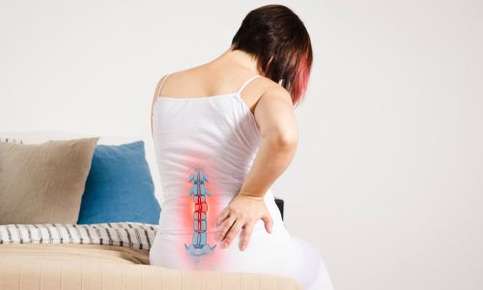
Woman experiencing pain in spine
Chiropractic Treatment Can Help Ease the Pain of Spondylosis
Aches and pains in your back or neck could be caused by spondylosis, a condition that occurs after years of wear and tear on your spine. Although popping a few pain relievers can decrease your symptoms, the relief is only temporary and can be accompanied by unpleasant side effects. Chiropractic treatment eases your pain naturally and offers longer-lasting relief of symptoms.
Spondylosis Explained
Spondylosis, commonly called arthritis of the spine, occurs due to several age-related changes in your spine. Thirty-three bony vertebrae support your body, making it possible to stand, bend and lift heavy objects. Small fluid-filled discs located between vertebrae absorb shock, cushion the joints and help the spine maintain its structural integrity.
As you age, the discs begin to dehydrate and shrink. As a result, they can't absorb shock quite as well as they could when you were younger. Your disks begin to gradually change around age 40, although you may not notice any differences for years.
The dehydration process can cause cracks or tears in the outer layer of disks, increasing your risk of herniated disks. Herniations happen when the soft, gel-like center of the disc protrudes and presses on spinal nerves, causing pain.
The space between the vertebrae gradually narrows as the discs flatten due to dehydration. When this occurs, painful bone spurs may form at the ends of vertebrae.
Age-related changes can also wear away the protective cartilage that cushions the ends of the vertebrae and stiffens the ligaments that hold the vertebrae together, resulting in pain and stiffness when you bend and move.
Common Spondylosis Symptoms
It takes many years to notice the effects of spondylosis. You may only experience occasional symptoms in your 40s and 50s. Your back or neck may hurt or feel a little stiff after you spend the day weeding your flower beds or participating in a 5K. These changes can occur even if you've been healthy and active all of your life and practice proper lifting techniques.
Your risk of spondylosis increases significantly with age. The Mayo Clinic notes that more than 85 percent of people over age 60 experience spondylosis in their necks.
Severe neck and back pain can occur if your condition worsens. You may notice that it's difficult to move or walk and may experience weakness or tingling sensations in your arms or legs.
How Your Chiropractor Can Help You
Chiropractic treatment can relieve pain, improve your range of motion and reduce pressure on your spinal nerves due to herniated discs or bone spurs. After performing an examination and conducting a few diagnostic tests, your chiropractor may recommend one or more of these treatments:
  • Spinal Manipulation: Your chiropractor uses quick, hands-on pressure or an activator to realign your vertebrae. Manipulations improve range of motion in your neck and back, decrease pain and make it easier to move the muscles in your neck and back. After an adjustment, you'll notice less pain and stiffness. Spinal manipulation is among the therapies that the American College of Physicians recommends for the treatment of nonradicular low back pain. Nonradicular pain is pain that doesn't spread to your arms or legs.
  • Spinal Mobilization: Spinal mobilization stretches the spine and decreases tension in the muscles between your vertebrae with slow, gentle movements.
  • Flexion-Distraction: Flexion-distraction is performed on a segmented table. As your chiropractor slowly manipulates your spine, the table moves beneath you, decompressing and stretching your vertebrae. Flexion-distraction improves mobility, decreases pressure on nerves and discs, reduces bulging of disks, and eases pain and stiffness.
  • Massage: Spinal alignment issues can cause painful stiffening in the muscles of your back and neck. Massage relaxes these muscles and improves blood flow to the area, facilitating recovery.
  • Traction: Traction treatments gently pull and decompress your vertebrae, relieving pain and stiffness and decreasing pressure on your nerves. The therapy can be performed manually or with a special device.
  • Other Therapies: Depending on your diagnosis, your chiropractor may also suggest ultrasound therapy, cold and heat therapy, electrical nerve stimulation treatment or trigger point therapy.
Don't let spondylosis pain take over your life. Chiropractic treatment offers a safe, natural way to control your symptoms. Contact us to schedule your appointment.
Sources:
Mayo Clinic: Cervical Spondylosis
Arthritis Foundation: How Chiropractors Can Help Arthritis Pain
American Chiropractic Association: Neck Pain and Chiropractic
American College of Physicians: American College of Physicians Issues Guideline for Treating Nonradicular Low Back Pain, 2/4/17

Friday, March 1, 2019

Peek performance

I have treated athletes ranging from weekend warriors, tball players, 1st time 5k runners, marathon runners, high school athletes, college athletes,  athletes training for Olympic trials,  ... the list goes on. So call today and find out how we can get you at your peak performance!!

Wednesday, February 20, 2019

No cane needed

#greatadjustment You know it was a great adjustment when they leave there cane behind. If you need a great adjustment get in and see Dr Skrien. http://chiropracticfamilyclinic.net

Friday, February 15, 2019

Give a healthy spine to your kids.

Give Your Kids the Gift of a Healthy Spine

Fun Factoids
Americans on average eat 18 acres of pizza everyday.
The Sahara Desert stretches farther than the distance from California to New York.
Honeybees navigate by using the Sun as a compass.
The health of a child’s spine needs to be taken very seriously. A healthy spine will decrease their chance of injury, improve their posture, improve their overall health and help to avoid spinal problems such as scoliosis. in fact, studies have shown that children who receive regular chiropractic care are less frequently sick, are able to concentrate better and are generally healthier. As parents, this is what we want for our kids, right?
Here are three things that you can do today to help improve your child’s spinal health:
Regular chiropractic care. Just as children need good hygiene, dental care and sound nutrition, they also need regular chiropractic care. Chiropractic care will help to restore and maintain normal spinal function, allowing a child’s body to develop optimally.
Limit backpack weight. One common source of spinal injury for children is their heavy backpacks. Limit the weight of their backpacks to 10% - 15% of their body weight. For example: A child weighing 50 lbs. should carry no more than 7.5 lbs, and a child weighing 80 lbs. should carry no more than 12 lbs. If children carry more than this, they have an increased risk of injuring themselves.
Keep kids active. There is an epidemic of childhood obesity in this country as more and more children spend their day in front of the television and playing computer games. This not only increases their risk of developing diabetes and heart disease early in life, it is also very stressfull on the spine. More and more children suffer from back pain and headaches simply because they don’t get enough exercise.
Every child is different and has unique needs. Dr. Skrien is trained in evaluating and treating the spines of all ages. Give your kids the gift of a...

Thursday, February 14, 2019

Regular Chiropractic Care


Many of us take better care of our automobiles than we do our own bodies… yet the auto has replaceable parts.

 Regular check ups with Dr. Skrien can help you avoid costly medical costs in the future.

Click this link and start your care today. You will glad you did.
 http://chiropracticfamilyclinic.net

 NATURALLY GOOD HEALTH with Skrien Chiropractic

Thursday, December 13, 2018

Ice Capades


In the depths of winter, adults, as well as children, exert themselves to engage in enjoyable outdoor activities that will keep them warm and provide both excitement and entertainment. Cross-country skiing, downhill skiing, sledding, ice hockey, figure skating, and speed skating all have their enthusiasts.
Many people are proficient in multiple winter sports. Others have no discernible degree of skill, yet persist owing to the exhilaration and good feelings that are obtained by asserting oneself in the face of freezing temperatures. Even in Southern California, where the winter temperatures are laughably warm compared to those registered in places where it gets authentically cold, residents feel the bite of winter. Even in warmer areas, children and anyone young at heart can visit ice rinks in neighborhoods malls and get a sense of what it's like to skate on frozen water.
Importantly, participation in winter sports may often lead to injury, owing in large part to the physical momentum involved in skating, skiing, and sledding. Although injuries are often random and result from unfortunate circumstances, we can take many protective measures to help prevent an injury, despite having sustained a hard fall on the ice or a rough tumble downhill.
Proper preparation for any winter outdoor activity includes making sure that your body is up to the task. We get ourselves ready for sports-type engagement by participating in regular physical exercise. When we do aerobic exercises, we're training our heart, lungs, and circulatory system to increase their efficiency. Over time, we become better able to breathe more deeply, providing increased amounts of oxygen to power our muscles and other metabolic processes.
When we do strength-training exercises, we're developing the ability of our muscles and bones to support and maneuver with increased mechanical loads -- abilities needed for skiing and skating and other winter sports. Additionally, cardiovascular and strength-training exercises enhance the capabilities of our proprioceptive system, a network of nerve endings that help our bodies make instantaneous decisions regarding balance and position in three-dimensional space, subconscious skills that are critical to the successful enjoyment of winter activities.
Regular chiropractic care is a key component of our winter sports planning. Regular chiropractic care detects and corrects sources of nerve interference and restores and supports optimal mechanical function of the spinal column, our body's mechanical center. By making sure we are getting regular chiropractic care, we help ourselves get the most out of our exercise programs. In this way, regular chiropractic care helps us stay healthy, avoid injury, and have outdoor fun all winter long.
  1. Raabe ME, Chaudhari AMW: Biomechanical consequences of running with deep core muscle weakness. J Biomech 2017 Dec 6. pii: S0021-9290(17)30692-9. doi: 10.1016/j.jbiomech.2017.11.037. [Epub ahead of print]
  2. Dreischart M, et al: Estimation of loads on human lumbar spine: A review of in vivo and computational model studies. J. Biomech 49(6):833-845, 2016
  3. Schuch FB, et al: Exercise as a treatment for depression: A meta-analysis adjusting for publication bias. J Psychiatr Res 77:42-51, 2016

Tuesday, November 27, 2018

Get in today and get your spine check so your body can get all the information it needs to aid in heal and to help it fight off infections.

Thursday, September 6, 2018

When Your Spine Is In Line

When Your Spine Is In Line


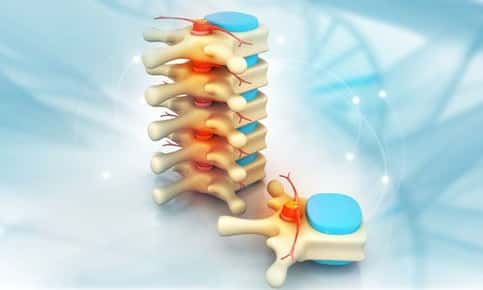
3d spine image
Good spinal alignment means good biomechanical health. Essentially, your spine is the biomechanical center of your body. Your legs are connected to your spine via two large and strong pelvic bones. Your arms are connected to your spine via your shoulder blades, ribs, and numerous strong muscles and ligaments. Spinal alignment supports the functioning of all these associated components. When your spine is in line, then all of your body's mechanical abilities, such as bending forward and backward, twisting and turning, and walking and running are able to be performed at maximal levels.
In addition to the importance of spinal alignment for physical performance, spinal alignment is also a key factor in the functioning of all of your body's physiologic systems. In other words, spinal alignment is a critical element in obtaining and maintaining good health.1 Specifically, your spine houses and protects your spinal cord and 31 pairs of spinal nerves, the lengthy cord-like extension of your brain and the primary branches extending from that main trunk.
When your spine is out of alignment or misaligned, the small ligaments that hold the vertebras together and the small muscles that move those bones become irritated and inflamed. Left undetected, this soft tissue inflammation can affect the local spinal nerves, leading to nerve irritation. The resulting nerve interference disrupts the flow of information between your brain and the regions of your body supplied by the irritated spinal nerves, potentially resulting in loss of function or abnormal function of affected cells, tissues, organs, and organ systems. Nerve interference may cause muscle tightness and pain, as well as signs and symptoms of conditions affecting your gastrointestinal, immune, endocrine, and cardiorespiratory systems. Overall, spinal misalignment and nerve interference may be involved in causing a wide variety of conditions and disorders affecting the musculoskeletal system and other systems of your body.2,3
Regular chiropractic care plays a primary role in helping you and your family maintain high levels of health and well-being. By detecting and correcting spinal misalignments and sources of nerve interference, regular chiropractic care helps optimize spinal functioning. As well, by directly addressing nerve interference, regular chiropractic care helps information flow more freely between your brain and the rest of your body. As a result, all of your physiological systems receive and transmit more timely and accurate information regarding metabolic status, need for nutrients, and other requirements. In this way, regular chiropractic care helps us achieve more complete physiological performance and attain higher standards of overall health and wellness.
1Wieland LS, et al: Yoga treatment for chronic non-specific low back pain. Cochrane Database Syst Rev 2017 doi: 10.1002/14651858.CD010671.pub2
2Coulter ID, et al: Manipulation and mobilization for treating chronic low back pain: a systematic review and meta-analysis. Spine J: 2018 doi: 10.1016/j.spinee.2018.01.013. [Epub ahead of print]
3Yeganeh M, et al: The effectiveness of acupuncture, acupressure and chiropractic interventions on treatment of chronic nonspecific low back pain in Iran: A systematic review and meta-analysis. Complement Ther Clin Pract 18, 2017

Monday, January 8, 2018


Detective Story


When Sir Arthur Conan Doyle’s Sherlock Holmes applied himself to a difficult case, he famously utilized his powers of deduction. Holmes assembled and examined the facts before him and employed a scientific method of analysis to arrive at a solution that took into account of all the elements of the case. The great fictional detectives who followed in his wake including Agatha Christie's Miss Jane Marple and Hercule Poirot, and G.K. Chesterton's Father Brown, all utilized Holmes's painstaking attention to detail and his inimitable, relentless logic.
Your chiropractor, as well, employs methods similar to Holmes’ in their search for the causes of your health issues and the keys that will provide access to abundant wellness and well-being. On the first office visit with a new patient, your chiropractor obtains a thorough health history, including current and past problems, past surgeries, medications, and everything else that is important to understanding your present health circumstances. Next is the physical examination, in which your chiropractor gathers objective findings such as the ranges of motion of your neck, lower back, and various extremities. The strength of key muscle groups is determined, reflexes are tested, and sensory patterns in your arms and legs are assessed.
Additionally, your chiropractor examines the mobility and overall function of the joints of your spine, especially in the cervical (neck) and lumbar (lower back) regions, to identify locations of spinal joint dysfunction and nerve interference. Finally, based on your health history and the physical examination findings, as well as information derived from X-rays and other special tests, if needed, your chiropractor deduces the likely source of your health complaints and devises a program of treatment that will help restore and maintain good health.
By utilizing a comprehensive process of deduction, your chiropractor ascertains the primary spinal regions of joint dysfunction and nerve irritation that are interfering with your ability to express optimal health and well-being. Treatment is directed at correcting these biomechanical problem areas by use of manual chiropractic methods and instruction in rehabilitative exercise routines. Your chiropractor may also help you to set-up a healthy eating program that works for you, as well as provide information on establishing nighttime habits to consistently obtain sound, restful sleep.
Regular chiropractic care is important for all of us, from the youngest members of our families to the oldest. By detecting and correcting sources of nerve interference, our chiropractors help us to demonstrate high levels of health and wellness, now and into the future. Habits of good health can spread throughout a neighborhood and a community. As a result, in the long run, everyone benefits.
Sources:
  1. Goncalves G, et al: Primary prevention in chiropractic practice: a systematic review. Chiropr Man Therap 2017 Mar 20;25:9. doi: 10.1186/s12998-017-0140-4. eCollection 2017
  2. Clijsters M, et al: Chiropractic treatment approaches for spinal musculoskeletal conditions: a cross-sectional survey. Chiropr Man Therap 2014 Oct 1;22(1):33. doi: 10.1186/s12998-014-0033-8. eCollection 2014
  3. Gorrell LM, et al: Manual and Instrument Applied Cervical Manipulation for Mechanical Neck Pain: A Randomized Controlled Trial. J Manipulative Physiol Ther 39(5):319-329, 2016


Friday, December 1, 2017

Making the Grade

The recent school year has long been over, but the echoes of learning, striving, and achieving persist. We may, if we choose, apply these remembrances of ourselves when we were in school to the circumstances of our health and well-being. We all want good health for ourselves and the members of our families, but most of us are uncertain as to the actions we need to take to attain this goal. For example, it's easy to get caught up in the notion of "perfect health." Such a misconception may have dire consequences, as the image of being "slim and trim" or being able to sport a set of "washboard abs" may actually prevent us from getting started on developing healthy lifestyles. The impossibility of obtaining an idealized result is discouraging and actually prevents us from taking any action. If we perceive the road to climb as too steep, we may never even begin the journey.
But as in school, although achieving an "A" is the highest goal, those who earn other passing marks are able to continue on to the next grade as well. If students stopped themselves from persisting in their educational programs owing to failure to obtain top marks, they would have failed to observe that they had gained substantial benefit via their efforts in reading, studying, and doing assignments. Plenty of learning can be accomplished even though the student doesn't earn an "A." The real benefits are not so much in earning top grades but rather in participating in the process. Ultimately, the grades you earn matter less than the results you obtain by having applied what you've learned.
Similarly, our goals when we initiate a new healthy eating program or a new program of regular vigorous exercise are not to achieve an ideal weight or an ideal "look." Being "skinny" or even "slim" may not be possible for many people with certain genetic predispositions. "Packing on muscle" or developing a "six-pack," as well, requires specific predispositions of metabolism and genetic makeup. For everyone else, appropriate and effective goals consist of simply becoming healthier than we are at present. For example, losing 5 pounds by maintaining a new healthy diet is a significant accomplishment. Having done that, we might be able to lose 5 pounds more. Walking 15 minutes a day, too, represents progress toward improved health if we haven't done any form of exercise for a while. Having done that, we could progress to walking 30 minutes a day and even begin going to the gym and lifting some light weights.
Any efforts one makes in the direction of achieving optimum health and well-being will be supported by regular chiropractic care. Whether you're designing a new exercise program, enhancing your healthy nutrition plan, engaging in a new mindfulness activity, or all of the above, regular chiropractic care helps provide your body with the means and tools to derive the most benefit from your upgraded healthy lifestyle choices.
Limitations to the gains we can make are often caused by nerve interference and spinal dysfunction, two physiological roadblocks to achieving high levels of health and wellness. By analyzing, detecting, and correcting the sources of nerve irritation and altered spinal mechanics, regular chiropractic care frees your body and enables your cells, tissues, and organ systems to become revitalized as a result of your new lifestyle activities.  In this way, regular chiropractic care itself becomes an important healthy lifestyle choice.
By becoming healthier, many other aspects of our lives improve. We begin to notice that we're sleeping more restfully and have more energy during the day. We may even find that new ideas are coming to us regarding our work and other projects that are important to us. Overall, we begin to find that we're happier and deriving greater satisfaction from our daily tasks and interactions with friends and family. By beginning the various processes of improving our health and well-being, we find that we are winning. What we are actually able to accomplish is what counts.
  1. Schuch FB, et al: Exercise improves physical and psychological quality of life in people with depression: A meta-analysis including the evaluation of control group response. Psychiatr Res 241:47-54, 2016
  2. Cramer H, et al: Yoga for improving health-related quality of life, mental health and cancer-related symptoms in women diagnosed with breast cancer. Cochrane Database Syst Rev 2017 Jan 3;1:CD010802. doi: 10.1002/14651858.CD010802.pub2
  3. Veronese N, et al: Adherence to the Mediterranean diet is associated with better quality of life: data from the Osteoarthritis Initiative. Am J Clin Nutr 104(5):1403-1409, 2016

Wednesday, November 22, 2017

Your Spine 101

An adult human spine typically consists of 26 moveable segments: seven cervical vertebras, twelve thoracic vertebras, five lumbar vertebras, one sacrum, and one coccyx (tailbone). Intervertebral discs separate the segments from the second cervical vertebra down to the sacrum and a thinner disc is present between the sacrum and coccyx. Intervertebral discs comprise about 25% of the height of an adult spine. Intervertebral joints connect vertebras and these joints are lined by lubricating synovial membranes. All of these structures are designed and built to last a lifetime.
Intervertebral discs, which are gel-like colloids, begin to lose their water content at about age 2. This slow resorption is perfectly normal. Nothing lasts forever, and all living structures degrade and deteriorate over time. With this in mind, we can understand how it is that x-rays of older persons show various degrees of degeneration or arthritis of the spinal joints and intervertebral discs. These physiological changes are ominously or portentously referred to as "degenerative disc disease" by certain specialists, but it is important to remember that these structures deteriorate naturally. Degeneration or breakdown of spinal joints and intervertebral discs is not a disease, but rather a standard process that occurs over time, more rapidly in some persons than in others.
There are measures we can employ to resist the effects of spinal degenerative changes and possibly even slow the process of degeneration itself. Spinal degenerative changes are problematic as they result in loss of resilience, flexibility, and mobility of the spine as a whole. The overall result is degradation of spinal function and increased possibility for strains, sprains, and other injuries. Solutions are available, as research studies have consistently demonstrated that regular vigorous exercise and healthy nutrition provide significant benefit in maintaining spinal structure and function.
Regular vigorous exercise such as walking, running, bike riding, and strength training provide consistent weight bearing stress to spinal joints and intervertebral discs. Such mechanical stresses are required for these structures to retain their physiological integrity. For example, exercise pumps fluid back into intervertebral discs and increases lubrication of spinal joints. Healthy eating provides the nutrients required to support efficient repair and replacement of the cells and tissues of spinal structural components. Thus, by choosing to implement healthy lifestyles, we help keep our spines in peak physical condition and become better able to withstand the negative effects of natural physiological forces occurring over time.
Having a healthy spine also depends on getting regular chiropractic care. Exercise, good nutrition, and sufficient rest are the primary requirements for spinal health, but there may be limitations and restrictions in the form of spinal joint dysfunction and nerve interference. These limitations prevent your spine from achieving optimal function and may lead to stiffness, loss of mobility, ongoing pain, and even injury.
By detecting and correcting spinal joint dysfunction, regular chiropractic care helps eliminate sources of nerve interference and enables your spine to do its job, which includes handling heavy mechanical loads and moving you around during all your activities throughout the day. Regular chiropractic care partners with your other healthy lifestyle choices to help you achieve high levels of health and well-being now and into the future.
  1. Geusens PP, van den Bergh JP: Osteoporosis and osteoarthritis: shared mechanisms and epidemiology. Curr Opin Rheumatol 28(2):97-103, 2016
  2. Falla D, Hodges PW: Individualized Exercise Interventions for Spinal Pain. Exerc Sport Sci Rev 45(2):105-115, 2017
  3. Teraguchi M, Yoshimura N, Hashizume H, et al: Metabolic Syndrome Components Are Associated with Intervertebral Disc Degeneration: The Wakayama Spine Study. PLoS One. 2016 Feb 3;11(2):e0147565. doi: 10.1371/journal.pone.0147565. eCollection 2016

Tuesday, November 7, 2017

Find Inspiration in Walden

In this 200th anniversary year of the birth of Henry David Thoreau, each of us can increase our health and well-being by applying his guidance to our regular exercise activities. Thoreau, one of the United States' greatest writers, naturalists, and philosophers, not only walked the length and breadth of Concord, his beloved hometown in Massachusetts, but also walked and hiked far and wide across farms, riverbeds, parklands, and mountains all over Maine, New Hampshire, and Vermont.
In Thoreau's time, the early and middle decades of the 19th century, the Industrial Revolution was just beginning to impact daily life. In those days, men and women still engaged in substantial quantities of physical labor, and exercise as such was never conceived as necessary. At present, in marked contrast, regular exercise is a key requirement for a healthy life. We need to break away, for at least 30 minutes every day, from our computer monitors and our mobile device screens. Thoreau would not recognize the sprawling urbanity of our cramped cities and their satellite suburbs, but he would likely strongly encourage us to get out there, walk as much as we can, and enjoy as much green space as possible.
For Thoreau, being outdoors was imperative. In his revered essay, "Walking," he informed his readers that he could not stay in his "chamber for a single day without acquiring some rust." Admittedly, our mode of living is quite different from his. For many of us, getting to some green space requires a bit of effort. However, in the 21st century, we need to make sure we're doing sufficient vigorous exercise, and walking on city streets and avenues counts as much as does walking along a tree-lined lane.
For those of us who haven't done any regular exercise for some time, walking is an optimal way to get back in shape. Regardless of one's age, renewing one's acquaintance with the process of exercise should be a gradual process. Start slowly, beginning with a 15-minute walk at a slow pace. Increase your pace over time until you're able to do a brisk 15-minute walk. Then increase your duration in small increments, decreasing your pace if needed. Within, typically, four to six weeks, you've become able to do a brisk 30-minute walk. Longer durations may be appropriate, whenever possible. The federal government recommends a minimum of 30 minutes of vigorous exercise five times a week to achieve and maintain good health.
Regular chiropractic care helps us achieve our exercise goals and is an important component of our overall health and well-being strategy. Regular chiropractic care helps our spines maintain their balance, flexibility, and mechanical integrity, and a well-functioning spinal column helps ensure optimal activity of our nerve system. When the nerve system, our body's master system, is functioning properly, all our other physiological systems are able to do their jobs more effectively. In this way, regular chiropractic care helps us get the most out of our exercise activities and helps us obtain high levels of health and wellness.
  1. Shanahan DF, et al: The Benefits of Natural Environments for Physical Activity. Sports Med 46(7):989-995, 2016
  2. Ulmer JM1, et al: Multiple health benefits of urban tree canopy: The mounting evidence for a green prescription Health Place 42:54-62, 2016
  3. Cox DTC, et al; Doses of Neighborhood Nature: The Benefits for Mental Health of Living with Nature BioScience 67(2):147-155, 2017
  4. Click here to learn more

Monday, October 16, 2017

Hip and Knee pain.


Hip and Knee Security

Everyone knows someone who has undergone hip or knee replacement. These surgeries are no longer exclusively performed on older persons and are now not uncommon procedures for many patients with persistent, significant hip or knee pain. Problems that lead people to be willing to undergo joint replacement surgery include ongoing intolerable pain and loss of mobility. Good outcomes are generally associated with these procedures, but it is reasonable that most of us would far prefer to prevent the progression of a degenerative joint disorder and avoid the need for surgery.
Hip or knee joint replacement surgery is typically prescribed for osteoarthritis (degenerative joint disease). Osteoarthritis involves thinning of protective joint cartilage, loss of sufficient lubrication of the joint by its synovial membrane, and painful inflammation. Osteoarthritis may occur years or decades after a significant joint injury, or osteoarthritis may be a long-term result of disuse, limited use, or otherwise insufficient physical activity.
As with most physical ailments, prevention is generally much more effective than is treatment. Prevention takes time, but the expenditure of time may be worth it compared to the amount of time expended later on in terms of visits to specialist physicians, laboratory tests and MRI studies, possible surgical procedures, and extensive recovery and rehabilitation. Prevention of osteoarthritis is the best policy from every point of view.
Some things just happen, of course, and a minority of osteoarthritis cases will get worse regardless of the measures taken. But, overall, various forms of exercise as well as visits to the chiropractor’s office have been consistently shown to substantially benefit people with osteoarthritis of the knee or hip. Effective exercise programs include walking, running, and biking. Any or all of these are appropriate in most circumstances. Aquatic exercise, such as swimming or water aerobics, is also of great benefit in the treatment of knee or hip osteoarthritis.
Additionally, core exercises are an important part of any comprehensive exercise program, especially when a primary objective is to slow or prevent osteoarthritis. Core exercises help stabilize and strengthen weight-bearing structures such as your lower back and pelvis, removing significant mechanical loads from other weight-bearing joints such as the hip and knee. Redistributing mechanical stresses away from your hips and knees through exercise and regular chiropractic care helps these joints to function more optimally and retain peak levels of performance, hopefully, far into the future.
Although these preventive activities take time, the return on investment is high. The benefits extend far beyond protection of your hips and knees. Your exercise routines improve cardiovascular fitness, increase restful sleep, enhance your posture, and add an extra bounce to your step. By engaging in a consistent program of vigorous physical activity, you're helping to increase your long-term health and well-being, and by extension, that of your family as well.
Click here for more information. www.chiropracticfamilyclinic.net

  1. Fransen M, et al: Exercise for osteoarthritis of the knee. Cochrane Database Syst Rev. 2015 Jan 9;1:CD004376. doi: 10.1002/14651858.CD004376.pub3
  2. Bartels EM, et al: Aquatic exercise for the treatment of knee and hip osteoarthritis. Cochrane Database Syst Rev. 2016 Mar 23;3:CD005523. doi: 10.1002/14651858.CD005523.pub3
  3. Rivera CE: Core and Lumbopelvic Stabilization in Runners. Phys Med Rehabil Clin N Am 27(1):319-337, 2016

Friday, September 15, 2017

Healthy Life Style

The Four Seasons

exercise important at any age
Lifestyle Upgrades and Regular Chiropractic Care
When we read about the national epidemics of heart disease, high blood pressure, diabetes and obesity, or listen to news reports, programs, or podcasts discussing these health problems, the solutions most frequently proposed include regular vigorous exercise (begun gradually, of course) and a healthy nutritious diet. These action steps are essential for the long-term well-being of us all, regardless of our current health status. Importantly, we gain critical support for these activities by going for regular chiropractic care.
In fact, regular chiropractic care is a difference-maker when it comes to enhancing and upgrading our health and well-being and that of our family. By identifying sources of nerve interference and correcting spinal misalignments, regular chiropractic care helps ensure optimal functioning and performance of all our body's systems. As a result, we're better able to get the most out of our lifestyle activities. Regular chiropractic care provides the secret ingredient that helps us to fulfill our ongoing quest to obtain better health.
Change is an undeniable force that impacts everything. Nothing in the physical world, either on Earth or in the Universe itself, is able to resist change and ultimate decay. Supernovas, for example, are the final explosive moments of massive stars. Our own changes through life are not as dramatic, but nonetheless, they are just as meaningful, often profoundly so.
Some life cycles such as that of a leaf or butterfly are studied and appreciated as symbols of change. Yet, the physical changes we go through over the years and decades are often lamented instead of revered. We could mourn for our youthful selves, regretting our losses and wishing we could have retained what used to be, or we could return our perspective to the forces of life proceeding in and around us. In doing so, we come to realize we are not required to passively accept the march of time. In the context of physical health, we may focus our attention on the things we are capable of doing to resist the impact of the passing years and maintain and even upgrade our levels of fitness, health and well-being.
Realistically, physical structures do break down. For example, our intervertebral discs, the gelatinous shock-absorbers situated between pairs of spinal vertebras, begin to lose their maximum water content shortly after birth, owing to the ongoing effects of gravity. Thus, intervertebral disc degeneration is inevitable. But we can resist the process and slow the progression or loss, by pumping physiologic fluids back into the disc via physical activity and regular vigorous exercise. In this way, we rehydrate our intervertebral discs to the available maximum, improving our flexibility, agility and mobility as we do so.
Overall, lifestyle upgrades such as ensuring a healthy nutritious diet1,2 and engaging in regular vigorous exercise five times a week3 help us be proactive against the effects of the passage of time. We may not be able to run a six-minute mile at age 60, but that's not the point. What we can do is become much fitter and much healthier than we have been. We can lose weight and add pounds of lean muscle mass, sleep more restfully, have more energy throughout the day, upgrade our musculoskeletal adaptability, and improve our long-term health and well-being. We have the time that is ours to have.
 
  1. Mangano KM, et al: Dietary protein is associated with musculoskeletal health independently of dietary pattern: the Framingham Third Generation Study. Am J Clin Nutr  2017 Feb 8. pii: ajcn136762. doi: 10.3945/ajcn.116.136762. [Epub ahead of print]
  2. Via MA, Mechanick JI: Nutrition in Type 2 Diabetes and the Metabolic Syndrome. Med Clin North Am 100(6):1285-1302, 2016
  3. Buscemi S, Giordano C: Physical activity and cardiovascular prevention: Is healthy urban living a possible reality or utopia? Eur J Intern Med 017 Feb 16. pii: S0953-6205(17)30069-9. doi: 10.1016/j.ejim.2017.02.007. [Epub ahead of print]