Thursday, December 13, 2018

Ice Capades


In the depths of winter, adults, as well as children, exert themselves to engage in enjoyable outdoor activities that will keep them warm and provide both excitement and entertainment. Cross-country skiing, downhill skiing, sledding, ice hockey, figure skating, and speed skating all have their enthusiasts.
Many people are proficient in multiple winter sports. Others have no discernible degree of skill, yet persist owing to the exhilaration and good feelings that are obtained by asserting oneself in the face of freezing temperatures. Even in Southern California, where the winter temperatures are laughably warm compared to those registered in places where it gets authentically cold, residents feel the bite of winter. Even in warmer areas, children and anyone young at heart can visit ice rinks in neighborhoods malls and get a sense of what it's like to skate on frozen water.
Importantly, participation in winter sports may often lead to injury, owing in large part to the physical momentum involved in skating, skiing, and sledding. Although injuries are often random and result from unfortunate circumstances, we can take many protective measures to help prevent an injury, despite having sustained a hard fall on the ice or a rough tumble downhill.
Proper preparation for any winter outdoor activity includes making sure that your body is up to the task. We get ourselves ready for sports-type engagement by participating in regular physical exercise. When we do aerobic exercises, we're training our heart, lungs, and circulatory system to increase their efficiency. Over time, we become better able to breathe more deeply, providing increased amounts of oxygen to power our muscles and other metabolic processes.
When we do strength-training exercises, we're developing the ability of our muscles and bones to support and maneuver with increased mechanical loads -- abilities needed for skiing and skating and other winter sports. Additionally, cardiovascular and strength-training exercises enhance the capabilities of our proprioceptive system, a network of nerve endings that help our bodies make instantaneous decisions regarding balance and position in three-dimensional space, subconscious skills that are critical to the successful enjoyment of winter activities.
Regular chiropractic care is a key component of our winter sports planning. Regular chiropractic care detects and corrects sources of nerve interference and restores and supports optimal mechanical function of the spinal column, our body's mechanical center. By making sure we are getting regular chiropractic care, we help ourselves get the most out of our exercise programs. In this way, regular chiropractic care helps us stay healthy, avoid injury, and have outdoor fun all winter long.
  1. Raabe ME, Chaudhari AMW: Biomechanical consequences of running with deep core muscle weakness. J Biomech 2017 Dec 6. pii: S0021-9290(17)30692-9. doi: 10.1016/j.jbiomech.2017.11.037. [Epub ahead of print]
  2. Dreischart M, et al: Estimation of loads on human lumbar spine: A review of in vivo and computational model studies. J. Biomech 49(6):833-845, 2016
  3. Schuch FB, et al: Exercise as a treatment for depression: A meta-analysis adjusting for publication bias. J Psychiatr Res 77:42-51, 2016

Tuesday, November 27, 2018

Get in today and get your spine check so your body can get all the information it needs to aid in heal and to help it fight off infections.

Thursday, September 6, 2018

When Your Spine Is In Line

When Your Spine Is In Line


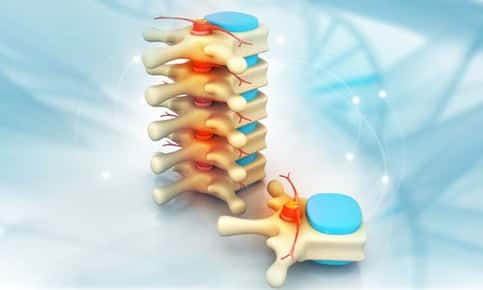
3d spine image
Good spinal alignment means good biomechanical health. Essentially, your spine is the biomechanical center of your body. Your legs are connected to your spine via two large and strong pelvic bones. Your arms are connected to your spine via your shoulder blades, ribs, and numerous strong muscles and ligaments. Spinal alignment supports the functioning of all these associated components. When your spine is in line, then all of your body's mechanical abilities, such as bending forward and backward, twisting and turning, and walking and running are able to be performed at maximal levels.
In addition to the importance of spinal alignment for physical performance, spinal alignment is also a key factor in the functioning of all of your body's physiologic systems. In other words, spinal alignment is a critical element in obtaining and maintaining good health.1 Specifically, your spine houses and protects your spinal cord and 31 pairs of spinal nerves, the lengthy cord-like extension of your brain and the primary branches extending from that main trunk.
When your spine is out of alignment or misaligned, the small ligaments that hold the vertebras together and the small muscles that move those bones become irritated and inflamed. Left undetected, this soft tissue inflammation can affect the local spinal nerves, leading to nerve irritation. The resulting nerve interference disrupts the flow of information between your brain and the regions of your body supplied by the irritated spinal nerves, potentially resulting in loss of function or abnormal function of affected cells, tissues, organs, and organ systems. Nerve interference may cause muscle tightness and pain, as well as signs and symptoms of conditions affecting your gastrointestinal, immune, endocrine, and cardiorespiratory systems. Overall, spinal misalignment and nerve interference may be involved in causing a wide variety of conditions and disorders affecting the musculoskeletal system and other systems of your body.2,3
Regular chiropractic care plays a primary role in helping you and your family maintain high levels of health and well-being. By detecting and correcting spinal misalignments and sources of nerve interference, regular chiropractic care helps optimize spinal functioning. As well, by directly addressing nerve interference, regular chiropractic care helps information flow more freely between your brain and the rest of your body. As a result, all of your physiological systems receive and transmit more timely and accurate information regarding metabolic status, need for nutrients, and other requirements. In this way, regular chiropractic care helps us achieve more complete physiological performance and attain higher standards of overall health and wellness.
1Wieland LS, et al: Yoga treatment for chronic non-specific low back pain. Cochrane Database Syst Rev 2017 doi: 10.1002/14651858.CD010671.pub2
2Coulter ID, et al: Manipulation and mobilization for treating chronic low back pain: a systematic review and meta-analysis. Spine J: 2018 doi: 10.1016/j.spinee.2018.01.013. [Epub ahead of print]
3Yeganeh M, et al: The effectiveness of acupuncture, acupressure and chiropractic interventions on treatment of chronic nonspecific low back pain in Iran: A systematic review and meta-analysis. Complement Ther Clin Pract 18, 2017

Monday, January 8, 2018


Detective Story


When Sir Arthur Conan Doyle’s Sherlock Holmes applied himself to a difficult case, he famously utilized his powers of deduction. Holmes assembled and examined the facts before him and employed a scientific method of analysis to arrive at a solution that took into account of all the elements of the case. The great fictional detectives who followed in his wake including Agatha Christie's Miss Jane Marple and Hercule Poirot, and G.K. Chesterton's Father Brown, all utilized Holmes's painstaking attention to detail and his inimitable, relentless logic.
Your chiropractor, as well, employs methods similar to Holmes’ in their search for the causes of your health issues and the keys that will provide access to abundant wellness and well-being. On the first office visit with a new patient, your chiropractor obtains a thorough health history, including current and past problems, past surgeries, medications, and everything else that is important to understanding your present health circumstances. Next is the physical examination, in which your chiropractor gathers objective findings such as the ranges of motion of your neck, lower back, and various extremities. The strength of key muscle groups is determined, reflexes are tested, and sensory patterns in your arms and legs are assessed.
Additionally, your chiropractor examines the mobility and overall function of the joints of your spine, especially in the cervical (neck) and lumbar (lower back) regions, to identify locations of spinal joint dysfunction and nerve interference. Finally, based on your health history and the physical examination findings, as well as information derived from X-rays and other special tests, if needed, your chiropractor deduces the likely source of your health complaints and devises a program of treatment that will help restore and maintain good health.
By utilizing a comprehensive process of deduction, your chiropractor ascertains the primary spinal regions of joint dysfunction and nerve irritation that are interfering with your ability to express optimal health and well-being. Treatment is directed at correcting these biomechanical problem areas by use of manual chiropractic methods and instruction in rehabilitative exercise routines. Your chiropractor may also help you to set-up a healthy eating program that works for you, as well as provide information on establishing nighttime habits to consistently obtain sound, restful sleep.
Regular chiropractic care is important for all of us, from the youngest members of our families to the oldest. By detecting and correcting sources of nerve interference, our chiropractors help us to demonstrate high levels of health and wellness, now and into the future. Habits of good health can spread throughout a neighborhood and a community. As a result, in the long run, everyone benefits.
Sources:
  1. Goncalves G, et al: Primary prevention in chiropractic practice: a systematic review. Chiropr Man Therap 2017 Mar 20;25:9. doi: 10.1186/s12998-017-0140-4. eCollection 2017
  2. Clijsters M, et al: Chiropractic treatment approaches for spinal musculoskeletal conditions: a cross-sectional survey. Chiropr Man Therap 2014 Oct 1;22(1):33. doi: 10.1186/s12998-014-0033-8. eCollection 2014
  3. Gorrell LM, et al: Manual and Instrument Applied Cervical Manipulation for Mechanical Neck Pain: A Randomized Controlled Trial. J Manipulative Physiol Ther 39(5):319-329, 2016


Friday, December 1, 2017

Making the Grade

The recent school year has long been over, but the echoes of learning, striving, and achieving persist. We may, if we choose, apply these remembrances of ourselves when we were in school to the circumstances of our health and well-being. We all want good health for ourselves and the members of our families, but most of us are uncertain as to the actions we need to take to attain this goal. For example, it's easy to get caught up in the notion of "perfect health." Such a misconception may have dire consequences, as the image of being "slim and trim" or being able to sport a set of "washboard abs" may actually prevent us from getting started on developing healthy lifestyles. The impossibility of obtaining an idealized result is discouraging and actually prevents us from taking any action. If we perceive the road to climb as too steep, we may never even begin the journey.
But as in school, although achieving an "A" is the highest goal, those who earn other passing marks are able to continue on to the next grade as well. If students stopped themselves from persisting in their educational programs owing to failure to obtain top marks, they would have failed to observe that they had gained substantial benefit via their efforts in reading, studying, and doing assignments. Plenty of learning can be accomplished even though the student doesn't earn an "A." The real benefits are not so much in earning top grades but rather in participating in the process. Ultimately, the grades you earn matter less than the results you obtain by having applied what you've learned.
Similarly, our goals when we initiate a new healthy eating program or a new program of regular vigorous exercise are not to achieve an ideal weight or an ideal "look." Being "skinny" or even "slim" may not be possible for many people with certain genetic predispositions. "Packing on muscle" or developing a "six-pack," as well, requires specific predispositions of metabolism and genetic makeup. For everyone else, appropriate and effective goals consist of simply becoming healthier than we are at present. For example, losing 5 pounds by maintaining a new healthy diet is a significant accomplishment. Having done that, we might be able to lose 5 pounds more. Walking 15 minutes a day, too, represents progress toward improved health if we haven't done any form of exercise for a while. Having done that, we could progress to walking 30 minutes a day and even begin going to the gym and lifting some light weights.
Any efforts one makes in the direction of achieving optimum health and well-being will be supported by regular chiropractic care. Whether you're designing a new exercise program, enhancing your healthy nutrition plan, engaging in a new mindfulness activity, or all of the above, regular chiropractic care helps provide your body with the means and tools to derive the most benefit from your upgraded healthy lifestyle choices.
Limitations to the gains we can make are often caused by nerve interference and spinal dysfunction, two physiological roadblocks to achieving high levels of health and wellness. By analyzing, detecting, and correcting the sources of nerve irritation and altered spinal mechanics, regular chiropractic care frees your body and enables your cells, tissues, and organ systems to become revitalized as a result of your new lifestyle activities.  In this way, regular chiropractic care itself becomes an important healthy lifestyle choice.
By becoming healthier, many other aspects of our lives improve. We begin to notice that we're sleeping more restfully and have more energy during the day. We may even find that new ideas are coming to us regarding our work and other projects that are important to us. Overall, we begin to find that we're happier and deriving greater satisfaction from our daily tasks and interactions with friends and family. By beginning the various processes of improving our health and well-being, we find that we are winning. What we are actually able to accomplish is what counts.
  1. Schuch FB, et al: Exercise improves physical and psychological quality of life in people with depression: A meta-analysis including the evaluation of control group response. Psychiatr Res 241:47-54, 2016
  2. Cramer H, et al: Yoga for improving health-related quality of life, mental health and cancer-related symptoms in women diagnosed with breast cancer. Cochrane Database Syst Rev 2017 Jan 3;1:CD010802. doi: 10.1002/14651858.CD010802.pub2
  3. Veronese N, et al: Adherence to the Mediterranean diet is associated with better quality of life: data from the Osteoarthritis Initiative. Am J Clin Nutr 104(5):1403-1409, 2016

Wednesday, November 22, 2017

Your Spine 101

An adult human spine typically consists of 26 moveable segments: seven cervical vertebras, twelve thoracic vertebras, five lumbar vertebras, one sacrum, and one coccyx (tailbone). Intervertebral discs separate the segments from the second cervical vertebra down to the sacrum and a thinner disc is present between the sacrum and coccyx. Intervertebral discs comprise about 25% of the height of an adult spine. Intervertebral joints connect vertebras and these joints are lined by lubricating synovial membranes. All of these structures are designed and built to last a lifetime.
Intervertebral discs, which are gel-like colloids, begin to lose their water content at about age 2. This slow resorption is perfectly normal. Nothing lasts forever, and all living structures degrade and deteriorate over time. With this in mind, we can understand how it is that x-rays of older persons show various degrees of degeneration or arthritis of the spinal joints and intervertebral discs. These physiological changes are ominously or portentously referred to as "degenerative disc disease" by certain specialists, but it is important to remember that these structures deteriorate naturally. Degeneration or breakdown of spinal joints and intervertebral discs is not a disease, but rather a standard process that occurs over time, more rapidly in some persons than in others.
There are measures we can employ to resist the effects of spinal degenerative changes and possibly even slow the process of degeneration itself. Spinal degenerative changes are problematic as they result in loss of resilience, flexibility, and mobility of the spine as a whole. The overall result is degradation of spinal function and increased possibility for strains, sprains, and other injuries. Solutions are available, as research studies have consistently demonstrated that regular vigorous exercise and healthy nutrition provide significant benefit in maintaining spinal structure and function.
Regular vigorous exercise such as walking, running, bike riding, and strength training provide consistent weight bearing stress to spinal joints and intervertebral discs. Such mechanical stresses are required for these structures to retain their physiological integrity. For example, exercise pumps fluid back into intervertebral discs and increases lubrication of spinal joints. Healthy eating provides the nutrients required to support efficient repair and replacement of the cells and tissues of spinal structural components. Thus, by choosing to implement healthy lifestyles, we help keep our spines in peak physical condition and become better able to withstand the negative effects of natural physiological forces occurring over time.
Having a healthy spine also depends on getting regular chiropractic care. Exercise, good nutrition, and sufficient rest are the primary requirements for spinal health, but there may be limitations and restrictions in the form of spinal joint dysfunction and nerve interference. These limitations prevent your spine from achieving optimal function and may lead to stiffness, loss of mobility, ongoing pain, and even injury.
By detecting and correcting spinal joint dysfunction, regular chiropractic care helps eliminate sources of nerve interference and enables your spine to do its job, which includes handling heavy mechanical loads and moving you around during all your activities throughout the day. Regular chiropractic care partners with your other healthy lifestyle choices to help you achieve high levels of health and well-being now and into the future.
  1. Geusens PP, van den Bergh JP: Osteoporosis and osteoarthritis: shared mechanisms and epidemiology. Curr Opin Rheumatol 28(2):97-103, 2016
  2. Falla D, Hodges PW: Individualized Exercise Interventions for Spinal Pain. Exerc Sport Sci Rev 45(2):105-115, 2017
  3. Teraguchi M, Yoshimura N, Hashizume H, et al: Metabolic Syndrome Components Are Associated with Intervertebral Disc Degeneration: The Wakayama Spine Study. PLoS One. 2016 Feb 3;11(2):e0147565. doi: 10.1371/journal.pone.0147565. eCollection 2016

Tuesday, November 7, 2017

Find Inspiration in Walden

In this 200th anniversary year of the birth of Henry David Thoreau, each of us can increase our health and well-being by applying his guidance to our regular exercise activities. Thoreau, one of the United States' greatest writers, naturalists, and philosophers, not only walked the length and breadth of Concord, his beloved hometown in Massachusetts, but also walked and hiked far and wide across farms, riverbeds, parklands, and mountains all over Maine, New Hampshire, and Vermont.
In Thoreau's time, the early and middle decades of the 19th century, the Industrial Revolution was just beginning to impact daily life. In those days, men and women still engaged in substantial quantities of physical labor, and exercise as such was never conceived as necessary. At present, in marked contrast, regular exercise is a key requirement for a healthy life. We need to break away, for at least 30 minutes every day, from our computer monitors and our mobile device screens. Thoreau would not recognize the sprawling urbanity of our cramped cities and their satellite suburbs, but he would likely strongly encourage us to get out there, walk as much as we can, and enjoy as much green space as possible.
For Thoreau, being outdoors was imperative. In his revered essay, "Walking," he informed his readers that he could not stay in his "chamber for a single day without acquiring some rust." Admittedly, our mode of living is quite different from his. For many of us, getting to some green space requires a bit of effort. However, in the 21st century, we need to make sure we're doing sufficient vigorous exercise, and walking on city streets and avenues counts as much as does walking along a tree-lined lane.
For those of us who haven't done any regular exercise for some time, walking is an optimal way to get back in shape. Regardless of one's age, renewing one's acquaintance with the process of exercise should be a gradual process. Start slowly, beginning with a 15-minute walk at a slow pace. Increase your pace over time until you're able to do a brisk 15-minute walk. Then increase your duration in small increments, decreasing your pace if needed. Within, typically, four to six weeks, you've become able to do a brisk 30-minute walk. Longer durations may be appropriate, whenever possible. The federal government recommends a minimum of 30 minutes of vigorous exercise five times a week to achieve and maintain good health.
Regular chiropractic care helps us achieve our exercise goals and is an important component of our overall health and well-being strategy. Regular chiropractic care helps our spines maintain their balance, flexibility, and mechanical integrity, and a well-functioning spinal column helps ensure optimal activity of our nerve system. When the nerve system, our body's master system, is functioning properly, all our other physiological systems are able to do their jobs more effectively. In this way, regular chiropractic care helps us get the most out of our exercise activities and helps us obtain high levels of health and wellness.
  1. Shanahan DF, et al: The Benefits of Natural Environments for Physical Activity. Sports Med 46(7):989-995, 2016
  2. Ulmer JM1, et al: Multiple health benefits of urban tree canopy: The mounting evidence for a green prescription Health Place 42:54-62, 2016
  3. Cox DTC, et al; Doses of Neighborhood Nature: The Benefits for Mental Health of Living with Nature BioScience 67(2):147-155, 2017
  4. Click here to learn more